Smart plugs have become one of the most popular entry points into home automation. Their plug-and-play design makes them appealing for homeowners and renters seeking practical and affordable smart upgrades. By transforming traditional electrical outlets into connected control points, they allow residents to manage everyday appliances remotely, schedule operations, and monitor energy usage.
However, smart plugs deliver higher value when integrated into a complete smart home system. Instead of functioning as standalone devices, they can interact with smart lighting, curtains, security, and wellbeing solutions. This makes them part of smart scenes, automation routines, and centralized control. Keep reading to learn more about smart plugs in the UAE, their types, and how they compare to traditional plugs.
What Are Smart Plugs?
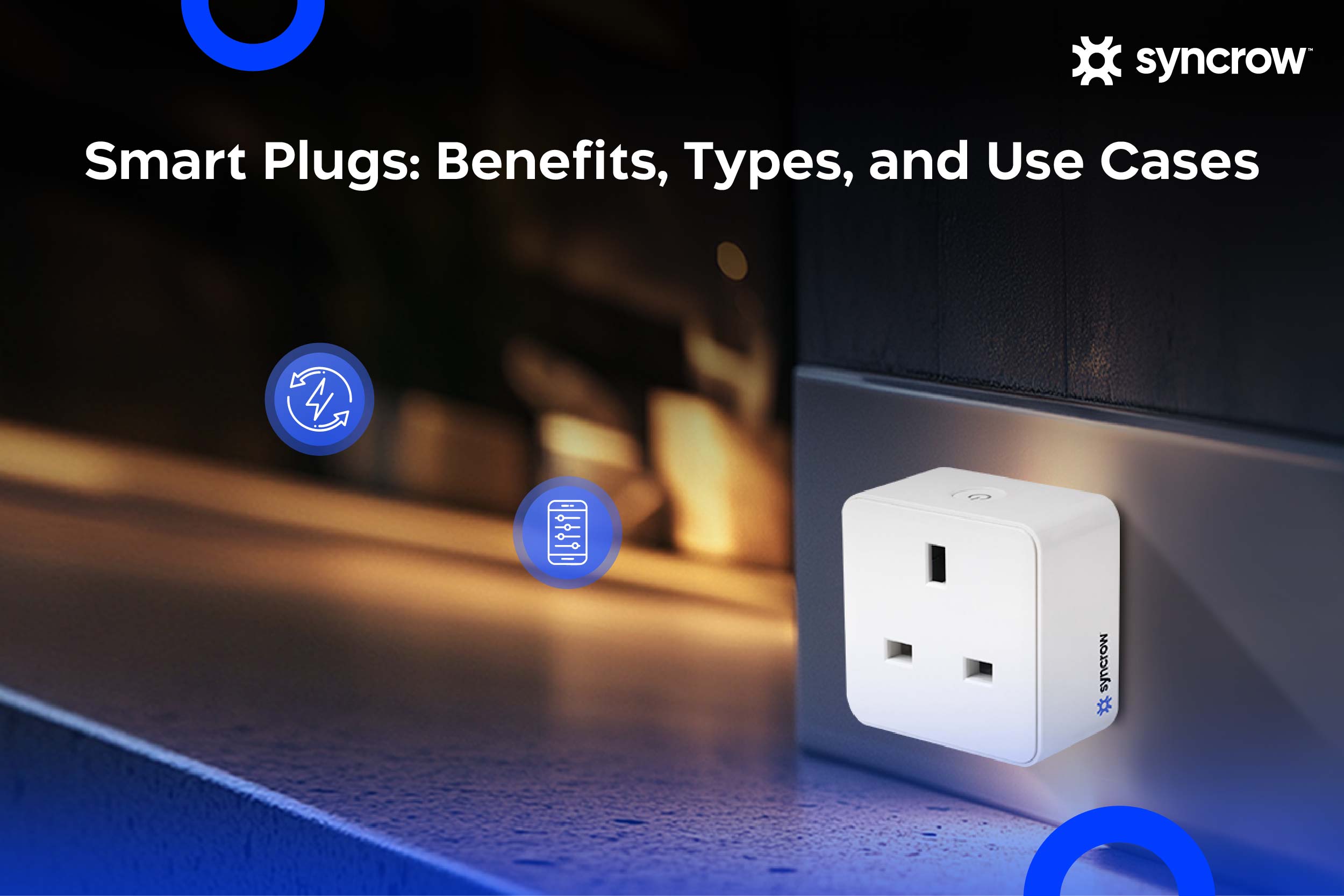
Smart plugs are IoT devices that connect to a standard electrical outlet and allow users to remotely control the power supply to connected appliances. A smart plug with remote control enables on and off switching, scheduling, automation, and, in some models, real-time energy monitoring.
In a smart home system, smart plugs act as connected control points that integrate everyday appliances into the broader automation network. They communicate with the central platform, allowing for effective coordinated scenes, remote management, and energy tracking.
How Does a Smart Plug Work?
A smart plug connects an appliance to the outlet. It connects to your Wi-Fi or other home automation protocol and controls the flow of electricity to the plugged-in device. Users can remotely turn devices on or off, set schedules, and automate power usage by using a mobile app or voice assistant.
Types of Smart Plugs
The different types of smart plugs are categorized based on the automation system. When choosing a remote smart plug, it is important to consider your existing home automation protocol to ensure compatibility.
Wi-Fi Smart Plug
Wi-Fi plugs connect directly to a home router, making setup simple without requiring a separate hub. They allow remote control through mobile apps and voice assistants. Modern Wi-Fi smart plugs support enhanced security features and energy monitoring, and integrate with popular smart home platforms.
Bluetooth Smart Plug
Bluetooth smart plugs connect directly to a smartphone within a short range, making them ideal for single-room control. They do not rely on internet connectivity, which improves stability, privacy, and response speed. Newer versions support Bluetooth Low Energy for better efficiency and stable connections.
LoRaWAN Smart Plug
LoRaWAN smart plugs are designed for long-range communication with extremely low power consumption. They are more common in large properties like villas and duplex homes where extended coverage is required. Recent updates focus on enhanced encryption, reliable remote monitoring, and large-scale IoT integration.
Zigbee Smart Plug
Zigbee smart plugs use a low-power mesh network, allowing devices to communicate with each other and extend signal coverage across the home. They require a compatible hub but offer stable performance, fast response, and better network security.
Z-Wave Smart Plug
Z-Wave smart plugs function on a dedicated low-frequency wireless band with mesh communication, reducing interference from Wi-Fi networks. Newer Z-Wave Plus versions offer better energy efficiency, longer range, and stronger security.
Benefits of Smart Plugs
Smart plugs are often considered a practical first step into home automation. They come with many benefits, like fast automation, safety, scheduling, low energy consumption, and affordability.
Smart Plug Benefits at a Glance
- Remote control of appliances through a mobile app or smart home system
- Automated schedules to turn devices on or off at specific times
- Improved home safety with remote shutdown and overload protection
- Reduced standby power consumption for better energy efficiency
- Real-time energy monitoring on supported smart plug models
- Easy plug-and-play installation without electrical modifications
- Integration with smart home routines and automation scenes
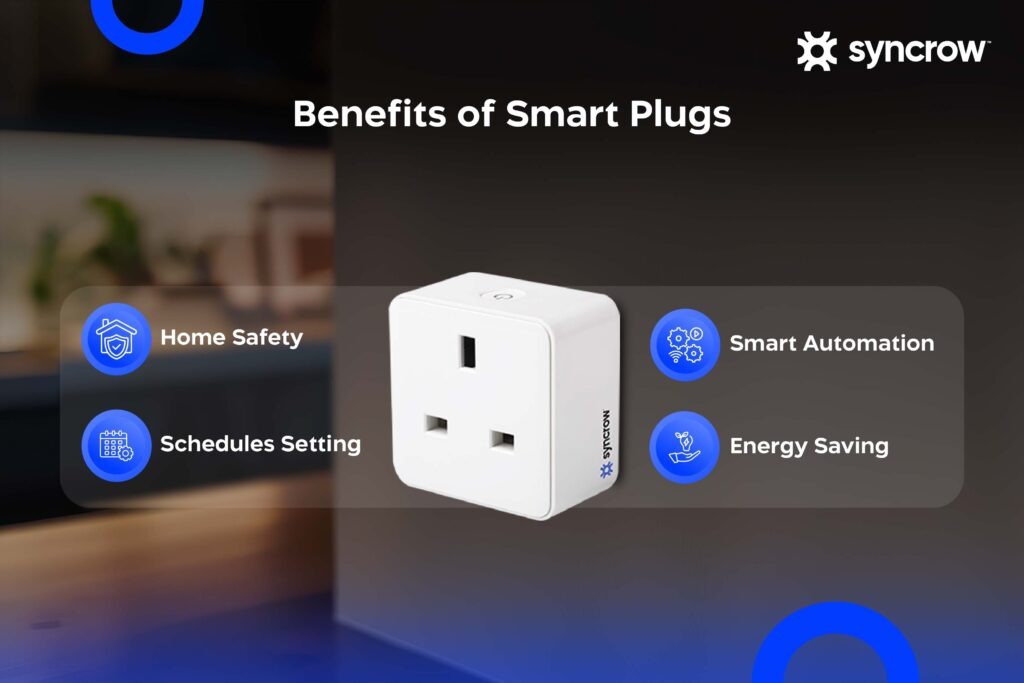
Smart Automation
Turn your traditional appliances into connected ones with smart plugs. Once installed, users can control the on/off process for connected devices remotely or include them in automated routines. This allows everyday devices to operate as part of a coordinated smart home system.
Home Safety
A smart outlet plug enhances device safety by allowing remote shutdown of appliances that may have been left on accidentally. Many modern models include overload protection and thermal safeguards. These two safety features reduce risks and help protect connected devices from unexpected power issues.
Schedules and Time Control
With built-in scheduling features, smart plugs allow appliances to turn on or off at specific times. Time-based control ensures devices operate only when needed and avoid standby mode. This is specifically useful for managing lighting, water heaters, or entertainment systems.
Energy Saving and Monitoring
Some smart plugs include energy saving capabilities that track voltage, current, and power usage in real time. Through a mobile app, users can monitor consumption patterns and identify energy-hungry appliances. These insights enable smarter energy decisions and improved efficiency.
Best Smart Plug Uses in the UAE
There are many different uses for smart plugs. People in the UAE prioritize convenience, efficiency, and modern living standards. The best smart plugs can make your daily routine easier.
Coffee Maker
Schedule morning coffee-making automatically, ensuring fresh coffee is ready on time daily without having to manually turn the machine on.
Smart TV
Control TV power remotely. This reduces standby consumption and integrates entertainment systems into home automation routines.
Washing Machine
Monitor power usage and schedule operation during off-peak hours via the app, even when you are not home, to better manage household electricity consumption.
Air Conditioner
Activate portable or window AC units remotely to ensure the perfect home temperature when you arrive.
Outdoor Lights
Smart plugs allow you to automate garden and balcony lighting schedules. This improves energy efficiency and enhances security with regular signs of occupation when you are away.
How to Choose the Best Smart Plug
Choosing the best smart plug depends on several factors that affect compatibility, safety, and functionality within your home. Selecting the right model ensures reliable performance and seamless integration with your smart home system.
Compatibility
Make sure the smart plug works with your existing home automation ecosystem, whether it is Wi-Fi, Zigbee, Z-Wave, or another protocol. Compatibility with your mobile app, voice assistant, or smart home platform ensures smooth control and automation.
Energy Monitoring
Some smart plugs include built-in energy monitoring that tracks voltage, current, and real-time power consumption. This feature helps homeowners identify high-energy devices and improve overall energy efficiency.
Smart Home Integration
The best smart plugs integrate with broader smart home systems, allowing them to work with lighting, climate control, and automation scenes. This enables coordinated routines and centralized management instead of controlling devices individually.
Smart Plugs vs Traditional Plugs for UAE Homes
The comparison between smart plugs and traditional plugs in UAE homes goes beyond a simple on-and-off feature. The comparison highlights how connectivity, automation, and energy visibility are reshaping modern daily life. Below is a table comparing the features of smart plugs and traditional plugs:
| Feature | Smart Plug | Traditional Plug |
| Remote Control | Yes (via app) | No |
| Voice Control | Yes | No |
| Energy Monitoring | Yes | No |
| Scheduling | Yes | No |
| Automation Integration | Yes | No |
| Basic Power Supply | Yes | Yes |
| Installation | Plug-and-play | Plug-and-play |
| Works Without Internet | Basic manual control | Yes |
| Cost | Additional cost upfront | Low |
Limitations of Smart Plugs
Smart plugs are a great first home automation step. But, in the long term, there are many limitations to consider, especially when not integrated into a smart home system.
Only On/Off Automation
Most smart plugs are limited to simple on and off control. They cannot adjust advanced settings such as temperature levels or modes. This makes them suitable for basic appliance activation, but with no further adjustment possibilities.
Appliances With Physical Buttons
Remote smart plugs may not work effectively with appliances that require manual button activation after power is restored. Devices with physical controls often stay off even when electricity flows, limiting the effectiveness of remote smart plugs.
High-Powered Devices
High-powered appliances such as large air conditioners, ovens, or industrial equipment may exceed the smart plug’s rated capacity. This creates safety risks or performance limitations if used improperly.
Device Quantity Limitations
Each smart plug can control only one connected device unless a power strip extension is used. In this case, managing many appliances requires multiple plugs, which may increase network traffic and setup complexity in smart environments.
Internet Dependency
Wi-Fi-based smart plugs rely on a stable internet connection for remote access and cloud-based control. Without internet access, remote features may stop functioning, which limits automation capabilities until the network is restored.
Final Thoughts
Smart plugs are a practical and cost-effective way to start automation, improve energy efficiency, and enhance daily convenience. They offer flexibility and simplicity for controlling individual appliances. However, they perform better when connected to a structured smart home system with centralized management, advanced automation, and seamless device integration.
As an end-to-end smart home solutions provider in the UAE, Syncrow delivers integrated smart home systems that bring devices together on a single intelligent platform for lighting, climate, security, and energy control solutions. Learn more about the best automation system with Syncrow’s free consultation.
FAQs About Smart Plugs
What Does a Smart Plug Do?
A smart plug allows remote control of electrical devices by managing the flow of power through a connected app or smart home system. It enables on-and-off switching, scheduling, and, in some models, real-time energy monitoring.
What Is the Best Smart Plug?
The best smart plug depends on compatibility, safety ratings, and connectivity needs. A reliable smart plug model should support stable wireless communication, overload protection, energy monitoring, and integration with existing smart home platforms for seamless automation and long-term performance.
Do Smart Plugs Save Electricity?
Smart home plugs can help reduce electricity consumption by scheduling appliances to operate only when needed and lowering standby power waste. Also, the energy monitoring models provide usage insights, helping households identify inefficient devices and improve energy management practices.
What Should You Not Plug into a Smart Plug?
High-powered appliances such as large air conditioners, electric ovens, space heaters, or medical equipment should not be connected unless the smart plug supports the required load capacity. Exceeding the plug’s electrical limits can cause overheating, malfunction, or safety risks.
Do Smart Plugs Drain Wi-Fi?
Smart plugs use minimal bandwidth and do not significantly drain Wi-Fi performance under normal household conditions. They transmit small data packets for status updates and commands, making their network usage relatively low compared to streaming or gaming devices.
Can a Smart Plug Turn on a TV?
A smart plug can turn on a TV only if the television automatically powers on when electricity is restored. TVs that require manual button activation after a power break will not start automatically through a smart plug alone.
Can Smart Plugs Reduce Electricity Bills in UAE Homes?
Smart plugs can help reduce electricity bills in the UAE by scheduling appliances to run only when needed and cutting standby power consumption. Energy monitoring features also help homeowners track usage and manage electricity more efficiently.