Rising DEWA bills during peak summer months have made electricity costs a growing concern for homeowners in the UAE, especially due to heavy air conditioning usage. Energy monitoring tools help identify where electricity is being consumed and why bills increase.
These tools, including smart plugs and whole-home monitoring systems, provide real-time visibility into energy usage, helping households reduce waste and improve efficiency without compromising comfort.
This guide explains the main types of energy monitoring tools and helps identify the best home energy monitoring system based on different household needs.
What Is a Smart Home Energy Monitor and Why Does It Matter?
Energy monitoring is the process of tracking real-time electricity consumption across a home or building using smart devices and sensors. It helps identify where energy is wasted, improves efficiency, and reduces utility costs by providing clear visibility into usage patterns, especially for high-demand systems like air conditioning and appliances.
Energy Monitoring Tools at a Glance
Energy monitoring tools help homeowners understand and control electricity consumption through real-time data and smart automation. Key benefits include:
- Monitor electricity consumption in real time.
- Identify energy-hungry appliances.
- Reduce DEWA bills through better energy management.
- Improve overall energy efficiency.
- Automate lighting, cooling, and connected devices.
- Prevent unnecessary energy waste and standby power consumption.
How to Monitor Energy Usage at Home?
Energy usage at home can be monitored through smart plugs for appliances, energy clamps for whole-home tracking, and automation systems that optimize consumption based on real-time data and occupancy patterns. The most efficient steps are:
- Use individual appliances
- Monitor your entire home
- Combine monitoring with automation
Use Individual Appliances
Smart plugs measure the energy use of individual devices like TVs, heaters, or coffee machines, helping users identify standby power waste and control usage remotely for better efficiency and lower bills.
Monitor Your Entire Home
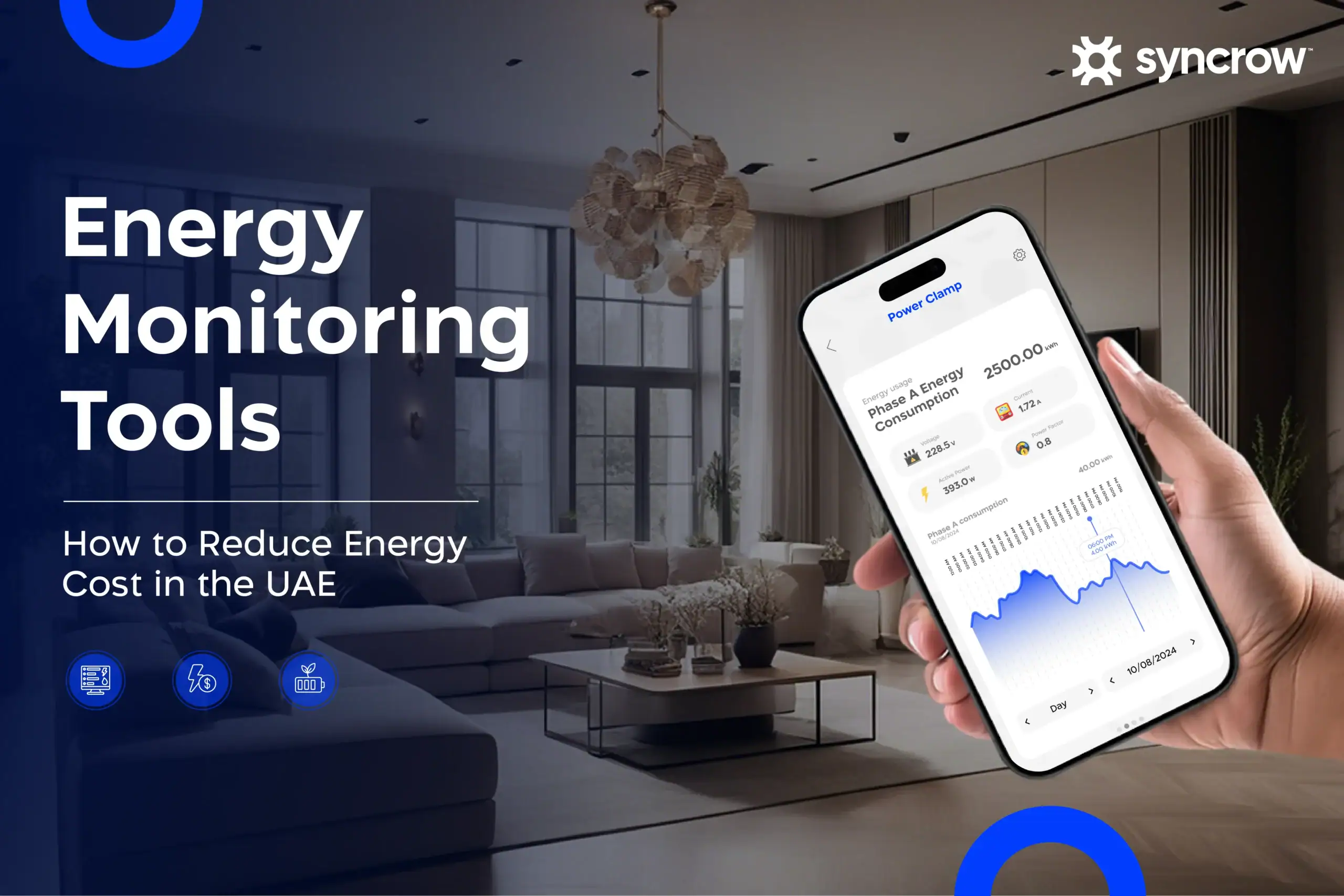
Energy clamps can be installed on the main electrical panel to track total household consumption in real time, giving homeowners full visibility of energy usage across air conditioning, lighting, and heavy appliances.
Combine Monitoring with Automation
Home automation allows systems to not only track electricity usage but also automatically adjust lighting, cooling, and appliances based on occupancy, reducing waste and improving energy efficiency while enhancing comfort.
3 Types of Energy Monitoring Tools
Energy monitoring tools range from simple smart plugs to advanced whole-home systems and integrated energy management platforms, each designed for different property sizes, user needs, and automation levels.
- Smart plug with energy monitoring
- Whole home energy monitor
- Smart home energy management systems
1- Smart Plug with Energy Monitoring
Smart plugs provide real-time tracking of energy consumption. Smart plug offers easy installation and instant visibility into device-level electricity usage. Modern smart plugs have remote control features to turn on/off connected appliances.
Best for apartments, renters, and individual appliances.
2- Whole Home Energy Monitor
This solution is ideal for understanding overall consumption patterns and identifying major energy drains. With whole-home systems, the smart energy clamp tracks total electricity usage at the panel level for complete household visibility.
Best for villas, large homes, and high-consumption households.
3- Smart Home Energy Management Systems
These smart home systems combine monitoring with control to actively reduce energy consumption through intelligent automation. They provide continuous optimization rather than only consumption visibility, making them suitable for advanced smart homes.
Best for long-term optimization, automated savings, and fully connected homes.
Energy Monitoring Tools Comparison
Understanding the differences between energy monitoring tools is essential to choose the right solution. The differences are related to whether users need appliance-level insights, whole-home tracking, or full automation capabilities.
| Tool | Best For | Installation | Cost |
| Smart Plug | Single appliance | Plug & play | Low |
| Energy Clamp | Whole home | Professional | Medium |
| Full Smart Home System | Whole-property optimization | Professional | Higher |
What Uses the Most Electricity in UAE Homes?
Electricity consumption in UAE homes is mainly driven by cooling and high-load appliances, especially during summer. Understanding these sources helps homeowners reduce waste and manage DEWA bills more effectively through targeted monitoring.
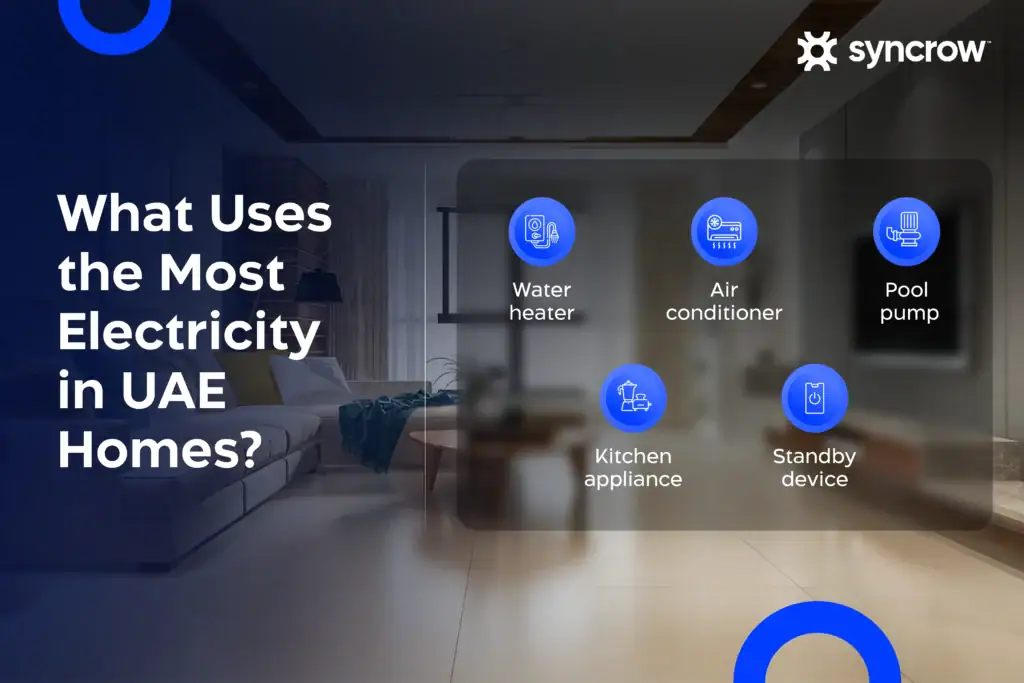
- Air conditioning uses the most electricity in UAE homes due to long runtime in hot climates and continuous cooling demand.
- Water heaters can be considered a high energy consumption device when left active throughout the day.
- Pool pumps with continuous circulation requirements are long-duration energy consumers.
- Kitchen appliances, including ovens, dishwashers, and refrigerators, contribute to steady energy usage, especially old ones without inverters.
- Standby devices, some electronics consume hidden power even when not actively in use, just because they are plugged in.
DEWA Electricity Tariffs Explained: How Energy Monitoring Can Reduce Your Bills
Learning how to monitor and control energy usage at home helps residents maintain total financial safety over their monthly balances. Linking automated hardware tracking directly with regional tariff calculations allows consumers to adapt their everyday routines to avoid costly consumption brackets.
How to Calculate DEWA Bill
Understanding how a DEWA bill is calculated can help residents better manage electricity consumption and avoid unexpected costs. The Dubai Electricity and Water Authority (DEWA) uses an escalating tariff system, which means the cost per kilowatt-hour (kWh) increases as monthly electricity usage rises.
DEWA Electricity Tariff Rates for Residential Properties
| Monthly Consumption | Tariff Rate |
| 1 – 2,000 kWh | 23 fils per kWh |
| 2,001 – 4,000 kWh | 28 fils per kWh |
| 4,001 – 6,000 kWh | 32 fils per kWh |
| Above 6,000 kWh | 38 fils per kWh |
Example Savings Calculation: DEWA Before and After Smart Energy Monitor Installation
While actual savings vary depending on household size and usage habits, smart energy monitoring provides valuable visibility into electricity consumption. This makes it easier to identify inefficiencies, optimize appliance usage, and avoid moving into DEWA’s higher tariff brackets.
- Before Installing a Smart Energy Monitor
A household consumes 4,500 kWh per month, placing part of its usage in DEWA’s higher tariff slabs. With an estimated electricity cost of AED 1,180 per month.
- After Installing a Smart Energy Monitor
By identifying high-consumption appliances, optimizing AC schedules, and reducing unnecessary energy usage, the household lowers consumption by 15%, reducing monthly usage to 3,825 kWh. With an estimated electricity cost of AED 971 per month.
Smart Plug vs Whole Home Energy Monitor
Smart plugs monitor individual appliances, while whole-home energy monitors track total electricity usage. The choice depends on whether users need localized insights or complete household energy visibility and control.
| Feature | Smart Plug | Energy Clamp |
| Appliance Monitoring | ✓ | ✗ |
| Whole Home Monitoring | ✗ | ✓ |
| Apartment Friendly | ✓ | ✓ |
| Villa Friendly | Limited | ✓ |
| Installation | Easy | Professional |
Which Smart Energy Monitoring System Should You Choose?
The best energy monitoring system depends on property type, usage level, and automation needs. Different setups suit apartments, townhouses, villas, and luxury smart homes with varying complexity and control requirements.
- Apartment: Smart plugs are ideal for renters and small spaces needing simple, device-level monitoring without installation complexity.
- Townhouse: Combination approach with a mix of smart plugs and panel monitoring for balanced visibility and control.
- Villa: Whole-home monitoring and automation for high consumption homes needing full electrical insight and optimization.
- Luxury villa: Integrated smart home platform with advanced systems combining monitoring, automation, and centralized control.
Is a Home Energy Monitoring System Worth It? (ROI Analysis)
A home energy monitoring system can help reduce electricity waste by providing real-time visibility into energy consumption. Installation costs can vary based on the installed energy monitoring tools and property space. The level of cost savings varies depending on property size, occupancy patterns, and how effectively the monitoring data is used to optimize energy usage.
Energy Monitoring and Smart Home Automation for UAE Properties
Choosing the best home energy monitoring system goes beyond tracking electricity usage. The most effective solutions combine real-time monitoring with automation, allowing energy data to directly control lighting, cooling, and other connected systems. Without this integration, energy insights remain passive and limit actual savings.
A well-designed energy management system Dubai properties rely on ensures that energy data is translated into automatic adjustments that improve efficiency and reduce unnecessary consumption.
By linking real-time energy visibility with automated actions across lighting, climate control, and appliances, Syncrow enables more efficient energy management in UAE homes without adding complexity.
Conclusion
Energy monitoring tools give homeowners complete visibility into electricity consumption, helping identify waste, reduce unnecessary usage, and manage costs more effectively. From smart plugs to whole-home systems, each solution plays a role in building a more efficient and controlled energy environment.
When monitoring is combined with automation, energy savings become more consistent and proactive rather than reactive. Syncrow enables this transformation by connecting monitoring systems with intelligent automation that adjusts lighting, cooling, and appliances based on real-time data and occupancy, improving comfort while reducing overall energy consumption. Book a free consultation and reduce your DEWA bill now.
FAQs About Energy Monitoring in the UAE
What Is Energy Monitoring?
Energy monitoring is the process of tracking electricity usage in real time using smart devices or sensors. It helps homeowners understand how and where energy is being consumed to reduce waste and lower utility bills.
What Is a Home Energy Management System?
A home energy management system is a smart setup that combines sensors, monitoring devices, and software to track energy usage and help optimize electricity consumption through automation and control.
What Are the Main Benefits of Energy Monitoring Systems?
Energy monitoring systems help reduce electricity costs by identifying energy waste, tracking high-consumption devices, improving efficiency through automation, and giving homeowners full visibility over their usage patterns.
What Is the Best Home Energy Monitoring System for Modern Properties?
The best system depends on the property type, but effective solutions combine whole-home monitoring with smart automation, allowing real-time tracking and automatic adjustment of energy usage for better efficiency.
How to Monitor Energy Consumption Accurately?
Accurate energy monitoring involves using smart plugs for appliances, installing panel-level energy clamps for total usage tracking, and connecting everything to a centralized system for real-time monitoring and analysis.